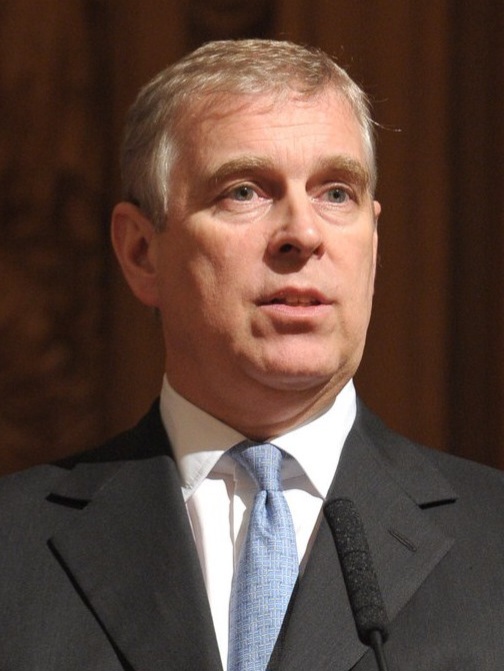
In a move that has sent ripples through royal circles, a recent two-hour meeting involving Prince Andrew and a senior palace official has intensified speculation about the Duke of York's future role within the British monarchy. Despite being stripped of his HRH titles and military patronages, Andrew Mountbatten-Windsor remarkably remains eighth in line to the throne. This latest development, far from a casual encounter, suggests that discussions surrounding his removal from the line of succession are gaining significant momentum, potentially signaling an unprecedented constitutional shift.
The meeting occurred on March 2nd, when Richard Benyon, the Lord Chamberlain of the Royal Household, paid a visit to Prince Andrew at his new residence, Wood Farm, located on the sprawling Sandringham estate. This gathering, lasting for a substantial two hours, has been interpreted as the clearest indication yet that Andrew's official ties to the monarchy are being revisited at the highest levels.
The Significance of a Royal Meeting at Wood Farm
The choice of Wood Farm as the meeting location, and the identity of the visitor, are particularly telling. Wood Farm is Prince Andrew's new, more modest residence following his departure from the much larger Royal Lodge, his home of nearly 23 years. This change of residence itself symbolized a significant demotion within the royal hierarchy, emphasizing his retreat from public life.
Richard Benyon, the Lord Chamberlain, holds a pivotal position within the Royal Household. Often described as a vital bridge between King Charles III and the House of Lords, his responsibilities include overseeing many ceremonial aspects of the monarchy and acting as a chief administrative officer. A visit from such a high-ranking official is not undertaken lightly, especially to an individual who has been largely ostracized from public duties. The duration of the meeting—two hours—further underscores the serious and complex nature of the topics discussed.
Unpacking the Lord Chamberlain's Role in a Succession Debate
The Lord Chamberlain's involvement is crucial because of his unique position. He is not merely an administrator but a conduit for the monarch's wishes and an executor of royal directives, often involving parliamentary liaison. While the exact details of the private discussion remain confidential, the context strongly suggests that the conversation revolved around Prince Andrew's constitutional standing, particularly his retention of a place in the line of succession.
This meeting at Wood Farm follows other significant events in Prince Andrew's life, including a previous arrest on February 19th (his 66th birthday) at the same location, where he was booked into custody for 11 hours amid suspicions of misconduct while in public office. Though he has consistently denied any wrongdoing, these past events have severely tarnished his reputation and raised difficult questions about his continued association with the Crown, even in a titular capacity. The Lord Chamberlain's visit, therefore, can be seen as an official step in addressing these lingering issues, possibly charting a course for Andrew's formal separation from the royal line.
Prince Andrew's Precarious Position in the Line of Succession
Despite the stripping of his military titles and royal patronages in October 2025 (as referenced in the context, though dates can sometimes be subject to interpretation or future changes), Prince Andrew's place in the line of succession has remained intact. He currently sits behind Prince William and his three children (Prince George, Princess Charlotte, and Prince Louis), and Prince Harry and his two children (Prince Archie and Princess Lilibet), making him eighth in line to the British throne. This distinction, between losing royal privileges and maintaining succession rights, highlights a nuanced but critical aspect of royal law.
The historical precedent for removing someone from the line of succession is extremely rare and fraught with constitutional complexities. While individuals have voluntarily renounced their rights (like Edward VIII), an involuntary removal requires significant political and legal maneuvering. The very fact that this is even being discussed, and at such a high level, indicates the immense pressure on the monarchy to distance itself from any figures that might compromise its public image and integrity.
To fully understand the challenges involved, one must look at the constitutional mechanisms required for such a drastic step. The process is not straightforward and involves multiple layers of approval and legislative action.
The Dual Hurdles: An Act of Parliament and Commonwealth Consent
The removal of an individual from the line of succession to the British throne would necessitate nothing less than an Act of Parliament. This means both the House of Commons and the House of Lords would need to debate and pass legislation specifically designed to alter the established rules of succession. Such an act would represent a significant constitutional moment, underscoring the seriousness of the situation and the perceived need for such a measure.
Beyond domestic legislation, an even more intricate layer of consent is required: that of the Commonwealth realms. King Charles III is not just the monarch of the United Kingdom; he is also the head of state for 14 other independent countries, known as Commonwealth realms. These include nations like Australia, Canada, and New Zealand. For any change to the line of succession to be universally recognized across these realms, their respective governments would need to provide their consent, often through their own legislative processes.
The reference context explicitly notes that Australia and New Zealand have already vocalized support for Prince Andrew's removal, indicating a strong international consensus on the matter. This widespread support from key Commonwealth nations could provide the political impetus needed to navigate the complex parliamentary and diplomatic hurdles. However, securing unanimous or sufficient consent across all realms remains a substantial undertaking. For more detailed insights into this complex process, you can read about the specific roles of Parliament and the Commonwealth in such a removal: Removing Prince Andrew: Parliament and Commonwealth Roles.
A Shifting Royal Landscape: Andrew's Retreat and Future Implications
Prince Andrew's recent residential changes—moving from the long-held Royal Lodge to the comparatively modest Wood Farm—are more than just a change of address; they are symbolic of his gradual but definitive retreat from the public eye and any semblance of royal duty. This quiet relinquishing of a second home roughly a month after leaving Royal Lodge further underscores his isolated position within the Royal Family. The palace's strategy appears to be one of managed decline, aiming to diminish Andrew's public profile while carefully navigating the constitutional intricacies of his succession status.
The implications of a formal removal from the line of succession would be profound. It would not only solidify Prince Andrew's complete severance from official royal life but also establish a modern precedent for how the monarchy handles members whose conduct is deemed incompatible with royal standards. This move would signify a proactive effort by King Charles III to safeguard the integrity and reputation of the institution in an increasingly scrutinized world.
Such a decision would undoubtedly contribute to the ongoing evolution of the British monarchy, reflecting a commitment to adapting to contemporary expectations while upholding centuries of tradition. The speed and method of this potential removal would be closely watched globally, offering insights into the future direction of the institution. For a broader perspective on the challenges and considerations facing the monarchy regarding this issue, explore: Prince Andrew's Royal Future: Line of Succession at Risk.
In conclusion, the meeting between Prince Andrew and Lord Chamberlain Richard Benyon at Wood Farm is a potent indicator that Prince Andrew's place in the line of succession is under serious review. While he currently retains his spot, the convergence of official palace interest, widespread public sentiment, and growing Commonwealth support suggests that an Act of Parliament and the requisite international consent may be closer than ever before. This process, complex and unprecedented, will undoubtedly shape the future of Prince Andrew and, by extension, the British monarchy itself.