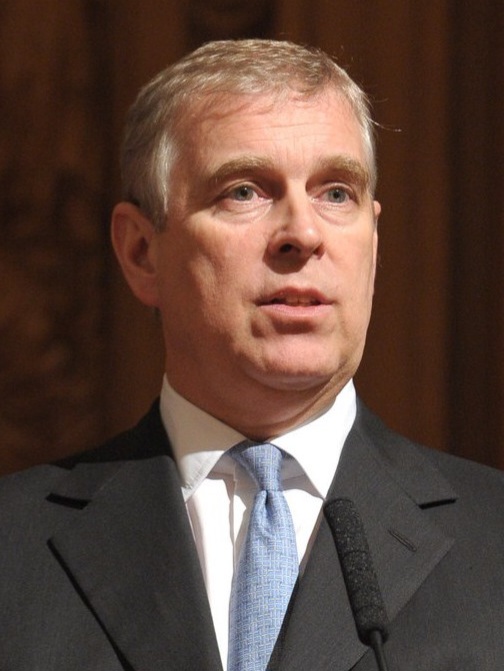
Prince Andrew's Royal Future: Line of Succession at Risk
The British monarchy, a beacon of tradition and continuity, has faced its share of modern challenges, but few figures have sparked as much intense scrutiny and debate as Prince Andrew, Duke of York. Despite a dramatic stripping of his royal titles and privileges, the controversy surrounding him continues to simmer, keeping him firmly in the public eye. His position, currently eighth in line to the throne, remains a contentious topic, particularly in light of recent developments that hint at a more permanent removal from the royal succession. The question isn't just about his personal future, but about the very fabric of the monarchy's enduring image and its ability to adapt to unprecedented circumstances.
The Shifting Sands of Royal Standing
For decades, Prince Andrew occupied a prominent role within the Royal Family, performing official duties and holding significant military titles. However, allegations and controversies dramatically altered his standing, culminating in King Charles III's decision to strip him of his honorary military affiliations and royal patronages in early 2022, following widespread public scrutiny and his withdrawal from public life. This unprecedented move marked a significant shift in his royal status, effectively sidelining him from official duties and public representation of the Crown.
Despite these significant changes, Andrew Mountbatten-Windsor retains his place as number eight in the line of succession to the British throne. He stands behind Prince William, his three children (Prince George, Princess Charlotte, and Prince Louis), and Prince Harry and his two children (Prince Archie and Princess Lilibet). This continued presence, even in a greatly diminished capacity, highlights a unique challenge for the monarchy: how to reconcile a controversial figure with the traditional, unwavering lineage of succession. His very existence within the line raises questions about royal protocol, public perception, and the future direction of the institution itself.
A Pivotal Meeting: Lord Chamberlain's Visit to Wood Farm
Speculation surrounding Prince Andrew's future intensified recently following a notable two-hour meeting at his new residence, Wood Farm, located on the Sandringham estate. On March 2nd, the former Duke of York received a visit from Richard Benyon, the Lord Chamberlain of the Royal Household and a senior palace official. Benyon's crucial role as a direct conduit between King Charles III and the House of Lords lends immense weight to the conversation, suggesting that the discussion likely centered on matters of significant royal import, far beyond casual pleasantries.
The meeting, held privately, has fuelled intense conjecture that the long-anticipated formal removal of Prince Andrew from the line of succession is now a very real possibility. This comes amidst continued scrutiny of the Duke, including reports of an arrest on February 19th (his 66th birthday) at the same Wood Farm residence, where he was reportedly booked into custody for 11 hours amid suspicion of misconduct while in public office. While the exact details of Benyon's visit remain undisclosed, his involvement strongly indicates that discussions are progressing on how to address Andrew's precarious position within the royal hierarchy. For a deeper dive into the implications of this significant encounter, read our related article: Prince Andrew's Meeting Hints at Succession Removal.
Navigating the Legal Labyrinth: Removing a Royal from Succession
Removing an individual from the line of succession is not a simple matter and involves navigating a complex web of constitutional and legal requirements. It's not a decision that can be made unilaterally by the monarch. For Prince Andrew to be formally removed, two primary conditions must be met:
- An Act of Parliament: The primary mechanism for such a significant change in the UK's succession laws would be an Act passed by both houses of Parliament (the House of Commons and the House of Lords) and given Royal Assent. This legislative process underscores the profound constitutional implications of altering the line of succession, requiring careful deliberation and widespread political support.
- Consent from Commonwealth Realms: King Charles III is not only the monarch of the United Kingdom but also the head of state for 14 other Commonwealth realms, including Canada, Australia, and New Zealand. Any change to the line of succession for the British throne would, by convention, require the consent of these independent nations. This adds another layer of complexity, as each realm would need to agree to the alteration, reflecting their shared constitutional heritage with the UK.
Indeed, reports indicate that some Commonwealth realms have already vocalized their support for Prince Andrew's removal. Both Australia and New Zealand, for example, have expressed a willingness to back such a move. This broad consensus would be crucial for Parliament to proceed confidently with any legislative action. The process highlights the unique nature of the modern monarchy, where tradition intersects with democratic governance and international relations. Understanding the full scope of these parliamentary and Commonwealth roles is essential; explore more with our in-depth piece: Removing Prince Andrew: Parliament and Commonwealth Roles.
Beyond the Line: The Personal and Public Repercussions
Prince Andrew's withdrawal from public life has been profound. Having resided at Royal Lodge, a grand residence on the Windsor estate, for nearly 23 years, he quietly transitioned to Wood Farm on the Sandringham estate roughly a month prior to the Lord Chamberlain's visit. This move, coupled with reports of him giving up a second home, symbolizes his further retreat from the active royal spotlight. While he continues to deny any wrongdoing regarding the serious allegations against him, his reduced public profile and relocation are tangible signs of his altered status within the Royal Family and the broader public consciousness.
The ongoing saga surrounding Prince Andrew poses a significant challenge to the monarchy's carefully cultivated image of stability and moral rectitude. For King Charles III, navigating these waters is crucial to ensuring the institution maintains public trust and relevance in the 21st century. The clarity of the line of succession is paramount, and any perceived ambiguities or controversial inclusions can undermine public confidence. The decision to potentially remove Prince Andrew is not merely a legal or constitutional one; it's a strategic move to safeguard the future integrity and legitimacy of the Crown and prevent further reputational damage.
What Does This Mean for the Monarchy?
The potential removal of Prince Andrew from the line of succession would set a modern precedent, affirming the monarchy's capacity to adapt and address controversial issues in the public interest. It signifies a move towards accountability, even for those at the highest echelons of society. While the process is intricate and requires careful diplomatic and legislative navigation, the Royal Family appears poised to take decisive action to resolve a situation that has cast a long shadow over its reputation.
This situation also offers a unique insight into the checks and balances inherent in a constitutional monarchy. While the monarch holds significant symbolic power, fundamental changes like altering the line of succession underscore the supreme authority of Parliament and the collaborative nature of the Commonwealth realms. It’s a testament to a system that, while steeped in history, must ultimately reflect contemporary values and public expectations. For the monarchy to thrive, it must demonstrate a commitment to transparency and moral rectitude, even when it involves challenging its own members.
Conclusion
Prince Andrew's future within the royal line of succession hangs in a delicate balance. The recent visit from the Lord Chamberlain, coupled with the existing constitutional mechanisms required for his removal, paints a picture of an institution actively working to resolve a complex and sensitive issue. While he remains officially eighth in line, the discussions are clearly moving towards a formal alteration that would permanently redefine his relationship with the British throne. As the Royal Family navigates these uncharted waters, the outcome will not only shape Prince Andrew's destiny but also send a powerful message about the evolving role and responsibilities of the modern monarchy in an increasingly scrutinized world.